

HELADIV stems from the word 'Heladiva', which was an ancient name for Ceylon that the nationalists used, when referring to the island during the uprising against colonial rule. In 1880, when a famous Russian poet visited the island of Ceylon, its natural beauty mesmerised him. The scenes and images of misty mountains rising up to touch the clouds, mile upon mile of unspoiled pristine beaches, a warm sunrise and a golden sunset across an expansive Indian ocean, thousands of glistening water bodies and virgin rain forests filled his emotions to make the following statement in the hotel guest book:

For over a hundred years Ceylon Tea has been famously known as “the best tea in the world”. Its premium characteristics, variety of flavours and enriching aromas are influenced by a unique mix of climatic and geological conditions prevalent at the plantations in the many different tea growing regions of Sri Lanka.
However, planted in Ceylon from about 1825 it was coffee that launched the plantation sector on the island prior to tea. A leaf disease that spread throughout the coffee plantations brought this booming industry to a halt in 1869. As a result, plantation owners replaced coffee with the stronger and more resilient commercial crop of tea thus giving birth to a whole new industry.
In 1824 the British brought a tea plant from China to Ceylon and planted this in the Royal Botanical Gardens in Peradeniya, near Kandy. This is considered to be the first tea plant in Sri Lanka. In 1867, a Scotsman, James Taylor, planted 19 acres of tea in the Loolecondra Estate, outside Kandy. This then became the first tea plantation in Ceylon, and the first local sale of Loolecondra teas was recorded in 1872 and the first tea consignment sent to London in 1873.
During the next twenty years, in a frantic effort to avoid financial ruin, coffee planters in Ceylon converted their decimated acreages to tea which was a remarkable effort as it involved wide-scale uprooting and burning of millions of infected coffee bushes.
Thus the birth of “Ceylon Tea” like the proverbial phoenix rising from the ashes, brought to life a new plantation crop. Since then tea has remained an integral part of the national economy, often dubbed as the green gold of Sri Lanka. The reverence for this nationally important tree in the land ancient travellers referred to as the ‘Pearl of the Indian Ocean’, ‘Serendib’, ‘Taprobana’ and ‘Paradise on Earth’ is depicted through the ‘Heladiv Paradise Tea tree’.
Being an innovator means going where nobody has gone before. Over the years we are proud to be recognized as the tea innovators and we promise to pioneer on!

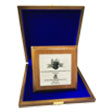


All our products conform to the highest global standards for safety, quality, and fair compensation for all our stakeholders